Milton vs St. Albans Homes: Find Your First Vermont Home
February 12, 2026
February 12, 2026
Trying to choose between Milton and St. Albans for your first home can feel like comparing apples to maple syrup. You want value, a reasonable commute, and a community that fits your day-to-day life. The good news is both towns offer great starter-home options, just with different trade-offs. In this guide, you’ll get a clear, side-by-side look at housing styles, commute realities, daily conveniences, and buyer programs so you can decide with confidence. Let’s dive in.
| Topic | Milton (Chittenden County) | St. Albans (Franklin County) |
|---|---|---|
| Location & county | Northeastern shore of Lake Champlain; part of greater Burlington area | Regional hub farther north; St. Albans City and adjacent Town |
| Overall vibe | Suburban and commuter friendly with newer subdivisions | Small-city center with historic downtown and walkable core |
| Housing snapshot | Many 3–4 bed single-family homes from 1990s–2010s; some village capes; mobile/manufactured options | Mix of 19th-century Victorians, capes, mid-century homes; more multi-family and duplex options in the city; larger-lot homes in the town |
| Entry price position | Often higher than many Franklin County towns, but below Burlington-core prices | Often lower median prices than Milton with broader starter inventory |
| Commute to Burlington | Commonly about 20–35 minutes by car, depending on location and traffic | Often about 30–50+ minutes by car; longer but straightforward on I-89/US-7 |
| Downtown & walkability | Smaller, more dispersed village center; car-oriented for most errands | Historic, compact downtown with restaurants, shops, and civic spots within walking distance |
| Notable assets | Lake access, newer neighborhoods, proximity to Chittenden County jobs | Walkable downtown, more multi-family choices, Amtrak Vermonter service |
For broader county context on population and incomes, review the U.S. Census profiles for Chittenden and Franklin counties in the Census QuickFacts.
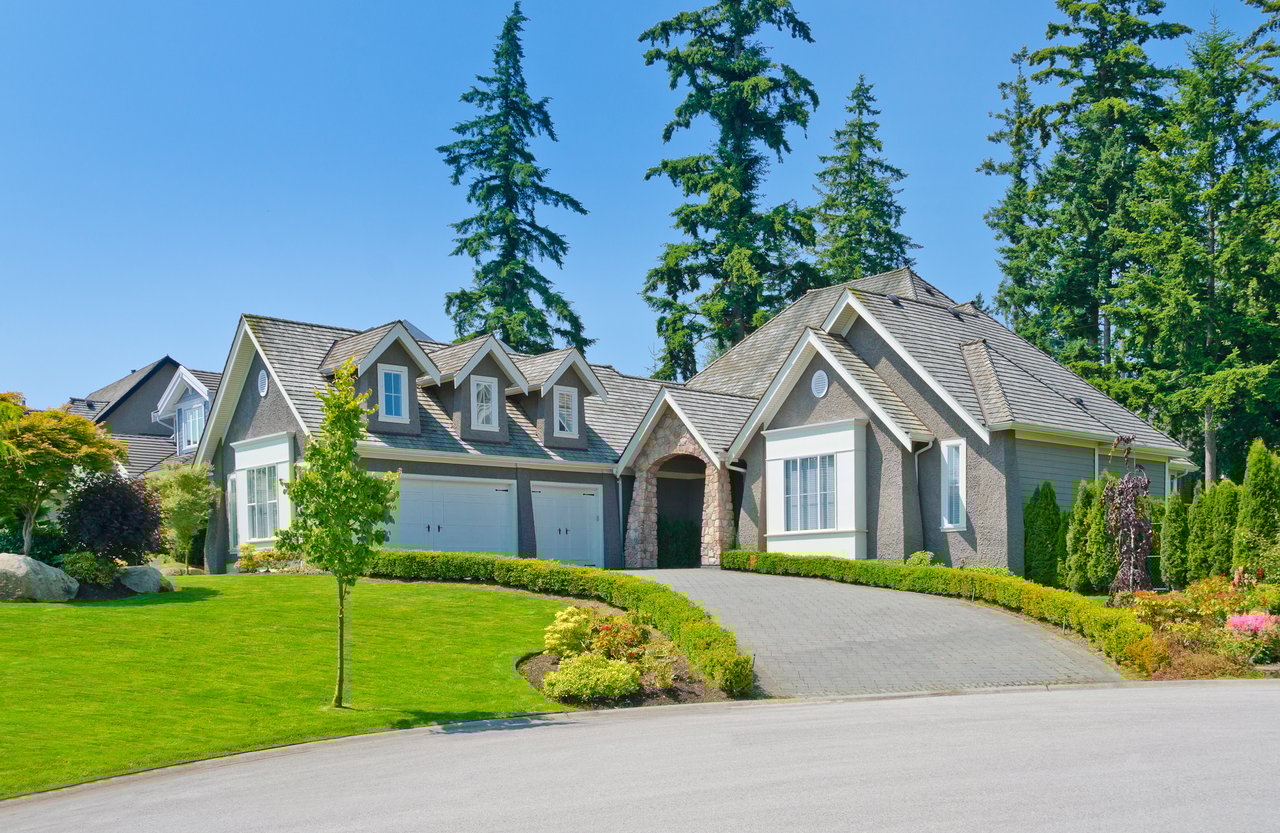
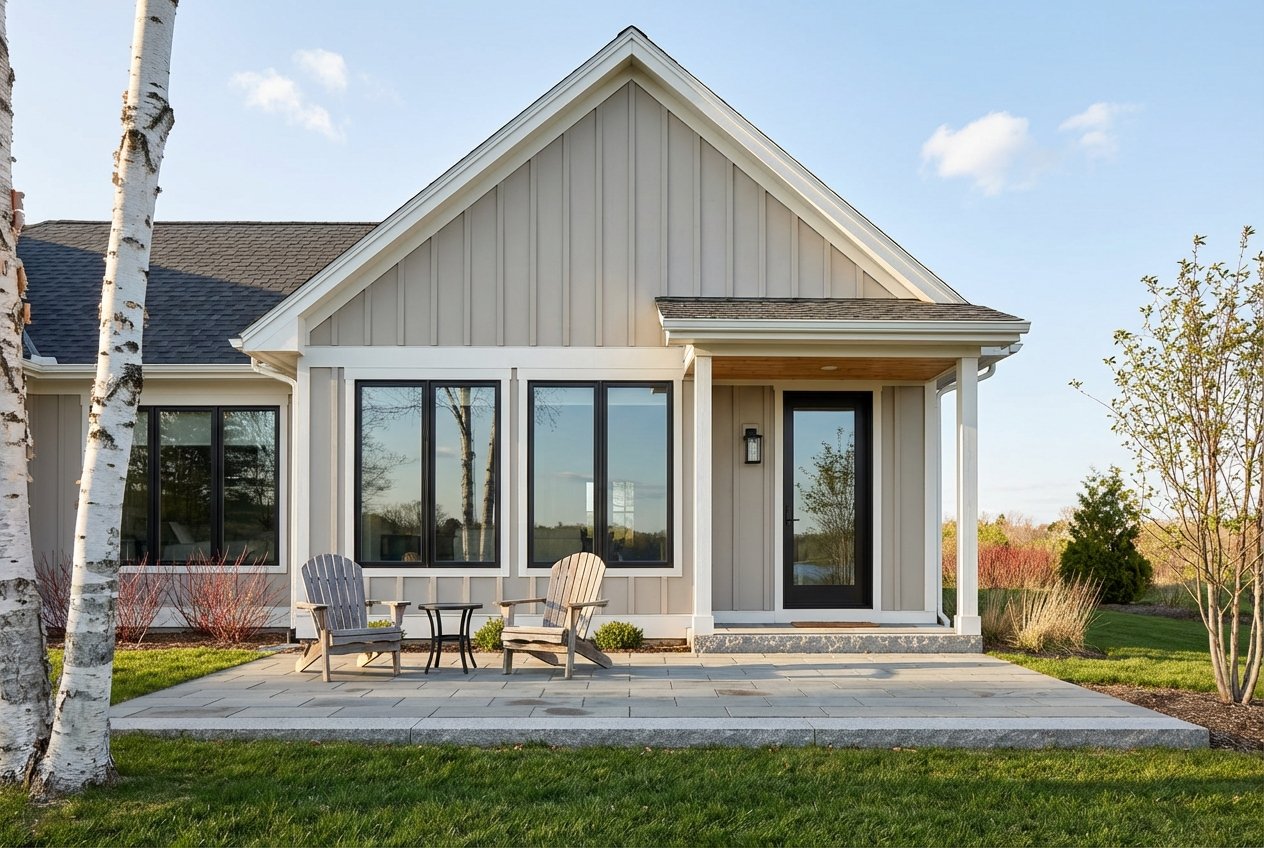
You’ll see many single-family homes built from the 1990s through the 2010s in suburban subdivisions. These often include 3 bedrooms, 2 baths, and an attached garage on a quarter to three-quarter acre lot. If you want a move-in-ready feel and easy commuting to Chittenden County employers, this setup is a good fit.
Closer to the village, you’ll find older capes and Victorians on smaller lots with a bit more character. Some mobile-home and manufactured communities offer lower-cost entry options. This mix gives you choices if you value either newer construction or a walkable village feel.
St. Albans City features traditional New England housing with 19th-century Victorians, capes, and modest mid-century homes. You’ll also see more duplexes and small multi-family properties. If you’re open to owner-occupying one unit and renting the other, that can help offset your mortgage.
In St. Albans Town, you’ll find suburban and rural single-family homes on larger lots, sometimes a half acre to a couple acres. If you want space for gardens or a small workshop, the town’s inventory may be appealing.
If you need a shorter daily drive to Burlington, Milton usually wins on time. Many locations see 20–35 minutes by car depending on the exact neighborhood and traffic. From St. Albans, plan for about 30–50+ minutes. Winter weather and single-lane stretches can add time in either direction, so it’s smart to test your commute during peak hours.
For transportation planning in the Burlington region, explore the Chittenden County Regional Planning Commission resources. They provide local insights on corridor travel and planning efforts.
Both towns have some bus service through Green Mountain Transit. Schedules and commuter runs change, so check routes and park-and-ride options before you count on them.
St. Albans City is also served by the Amtrak Vermonter. It’s a great asset for longer trips, though it isn’t a daily commuter rail to Burlington. For most residents in both towns, driving remains the primary weekday option.
Milton offers everyday services, with larger Chittenden County retail and healthcare options a short drive away. St. Albans functions as a regional center for Franklin County, concentrating many county services, small businesses, and shopping near downtown and along main corridors.
You can learn more about local services on the Town of Milton’s website and the City of St. Albans site. If you plan to apply for permits or want details on utilities, both municipal sites are useful starting points.
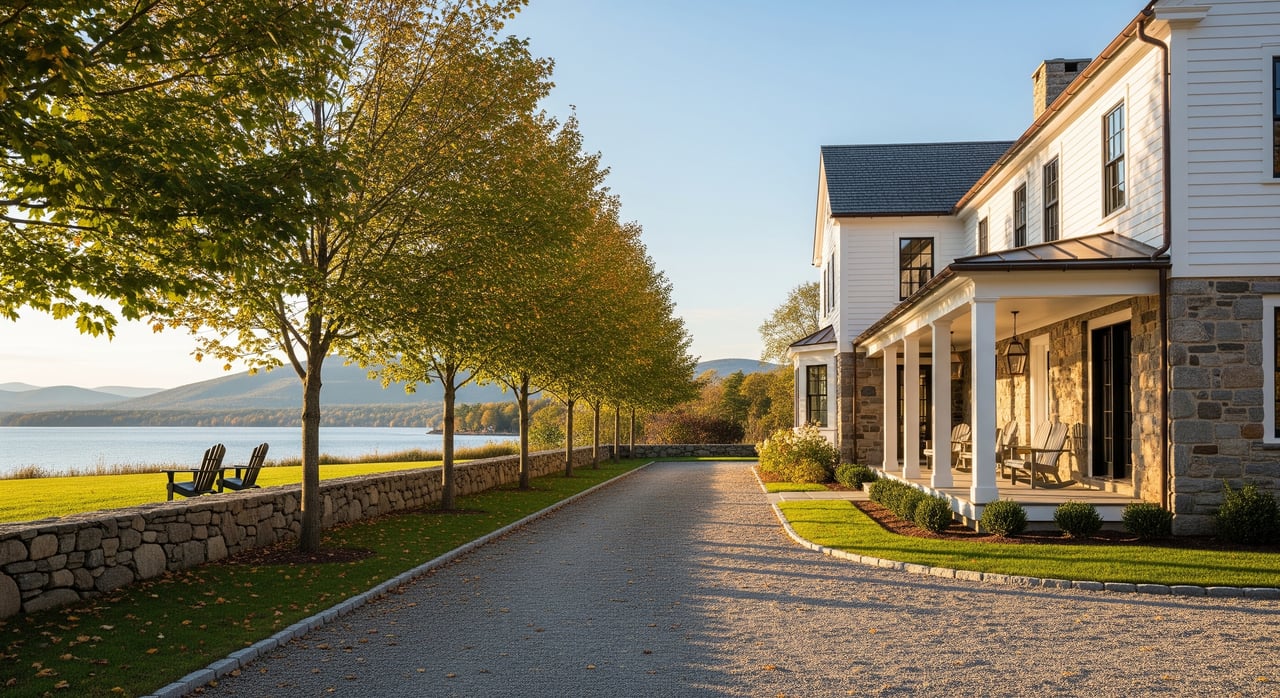
Milton’s location along Lake Champlain provides convenient lakefront recreation in some areas, plus parks and trails for everyday use. St. Albans offers riverfront access, nearby rural recreation, and frequent small-scale downtown events. If you enjoy a classic Vermont downtown with a green, cafes, and local events, St. Albans City stands out.
St. Albans City provides a compact, walkable core. If you want to stroll to restaurants, the library, or civic buildings, it offers that pattern. Milton’s village center is smaller and more spread out, so daily errands often rely on a car.
Both Milton and St. Albans have public school systems that serve local families. Each district offers different programs, schedules, and resources. School preferences vary widely by family, so it’s best to review neutral data and visit in person. For current performance data and district information, use the Vermont Agency of Education’s Education Dashboard.
Childcare options exist in both towns. Availability shifts seasonally, so you’ll want to start calling providers early if care is part of your move plan.
Property tax bills reflect both tax rates and assessed values. Because values can differ by town and neighborhood, always ask the seller or listing agent for a recent tax bill on the specific home you’re considering. That is the clearest picture of what you will pay.
Sewer and water service vary by location. In Milton, village areas may have municipal sewer and water, while suburban or rural lots often rely on septic systems and private wells. St. Albans City typically offers more municipal services, while the town includes many well and septic properties. Confirm utility types during your home search so you understand maintenance and costs.
Broadband coverage can differ block by block. Check local providers for exact service levels at each property. Insurance and heating costs vary by fuel type, age of systems, and any flood or shoreline considerations.
If you are considering a shoreline or near-lake property in Milton, review Vermont’s shoreland rules through the Department of Environmental Conservation to understand setbacks and permitting. Start with the state’s Shoreland Protection Program.
Vermont offers several paths that can help you get into a home with less cash upfront. Program rules change, so confirm current terms with your lender and the program administrators.
If you want newer suburban homes and shorter trips to Burlington, you may find your fit in Milton. If you value walkability, a classic downtown, and more entry-price options, St. Albans is a great place to start. Either way, a calm, informed plan will keep your first purchase on track.
Ready to compare listings, test commutes, and map out financing options? Connect with David Graves to schedule a consultation. You’ll get local guidance, patient answers, and a clear path to your first home in northern Vermont.
Stay up to date on the latest real estate trends.
Dig in to what makes the market tick.
Book your buyer consultation today!
Get assistance in determining current property value, crafting a competitive offer, writing and negotiating a contract, and much more. Let me guide you through your home-buying journey.