How To Price And Market Your St. Albans Home
February 19, 2026
February 19, 2026
Thinking about selling in St. Albans and unsure where to start with price and marketing? You are not alone. The city and town each move at their own pace, seasons matter in Vermont, and the first two weeks on market can set the tone for your entire sale. In this guide, you will get a clear, local path to the right list price, a polished presentation plan, and a step-by-step marketing timeline tailored to St. Albans sellers. Let’s dive in.
St. Albans City and St. Albans Town are separate markets with different inventory and price points. As of late 2025, St. Albans City reported a median listing price around $325,000, a median of about 72 days on market, roughly 66 active listings, and a sale-to-list ratio near 100%. In October 2025, St. Albans Town showed a higher median near $444,000, around 31 listings, and a faster median days on market near 56. Those differences can influence both your pricing and your timeline.
For broader context, Franklin County’s 2025 single-family median sale price was about $400,000 with an average days on market near 50. County numbers help set expectations, but your pricing should key off the most relevant micro-market. Be explicit about whether you are comparing to St. Albans City or St. Albans Town, and use a local, street-level view for accuracy.
Begin with a Comparative Market Analysis that pulls recent closed sales, active listings, and pending sales from the local MLS. Focus on 3 to 6 closely comparable properties that match your home’s location, living area, lot size, condition, and sale date. Appraisal guidance emphasizes choosing comps that require the fewest adjustments and documenting support for each change you make to the data. You can read more about how professionals handle comparable selection and adjustments in the Appraisal Institute’s guide notes on valuation practice: Sales comparison and guide notes.
Adjust the comparables, not your home, for measurable differences. Common items include sale date, square footage, bedroom and bath count, finished basement, garage, overall condition and updates, lot size, and any atypical sale conditions. Each adjustment should be supported by local market evidence, which is why working with recent, nearby comps is so important. The goal is to normalize each comp to your home so you can see a clear value pattern.
Convert the adjusted comps into unit measures like price per square foot or whole-property indicators, then reconcile to a defensible list-price range rather than a single number. A range reflects real-world variation in the data and gives you room to position for your goals. Cross-check the range against current momentum in your exact area. If you are in St. Albans City, factor in the longer median days on market. If you are in the Town, a shorter DOM may support a tighter timeline.
Remember that lenders will order an appraisal for financed buyers, so pricing far above comparable market value can create appraisal risk. The Appraisal Institute offers a helpful explainer on how consumers interact with appraisers and what to expect: Understanding appraisals and the sales comparison approach.
Fix issues that could jeopardize financing or scare buyers: roof leaks, unsafe wiring, failing mechanicals, moisture problems, or visible hazards. A pre-listing inspection can surface concerns early, give you time to address them, and reduce last-minute surprises. Learn why many sellers choose this step in ASHI’s overview: 6 reasons to get a pre-listing inspection.
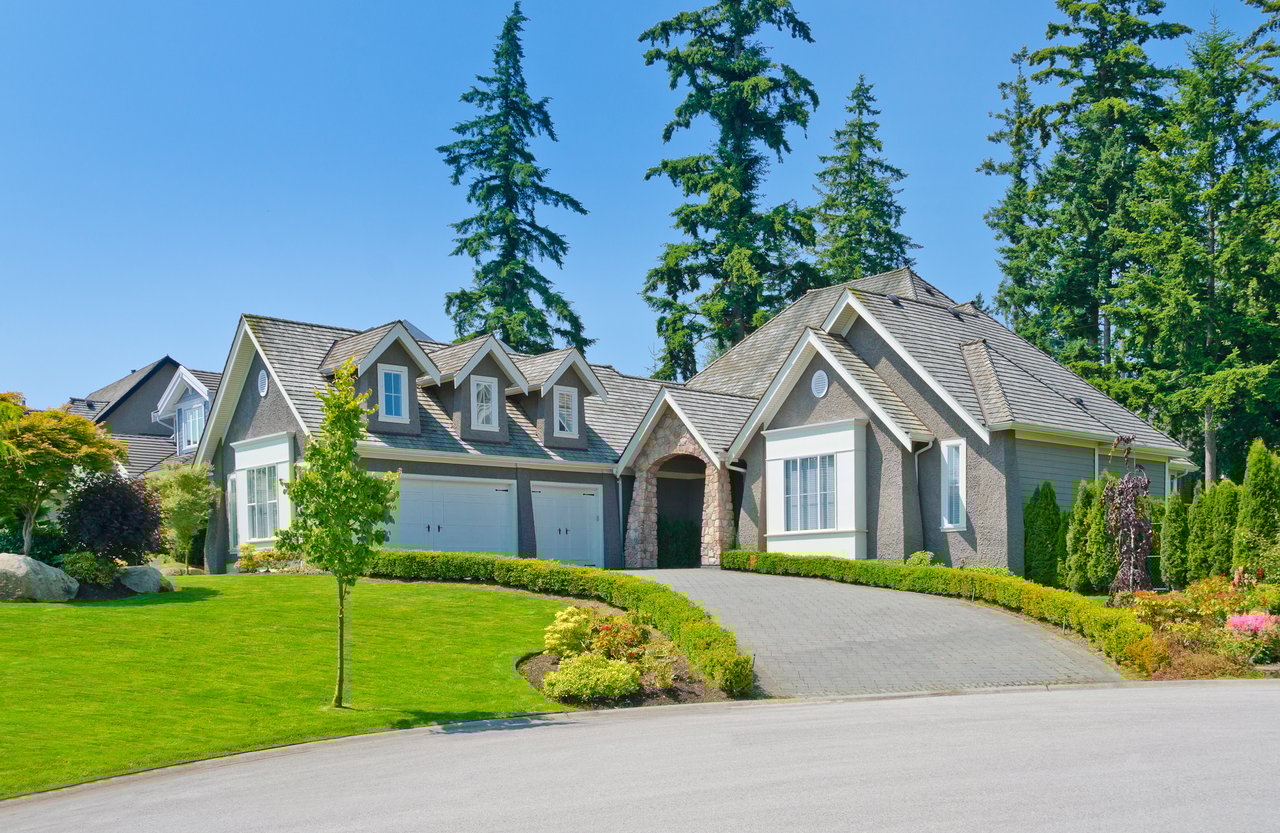
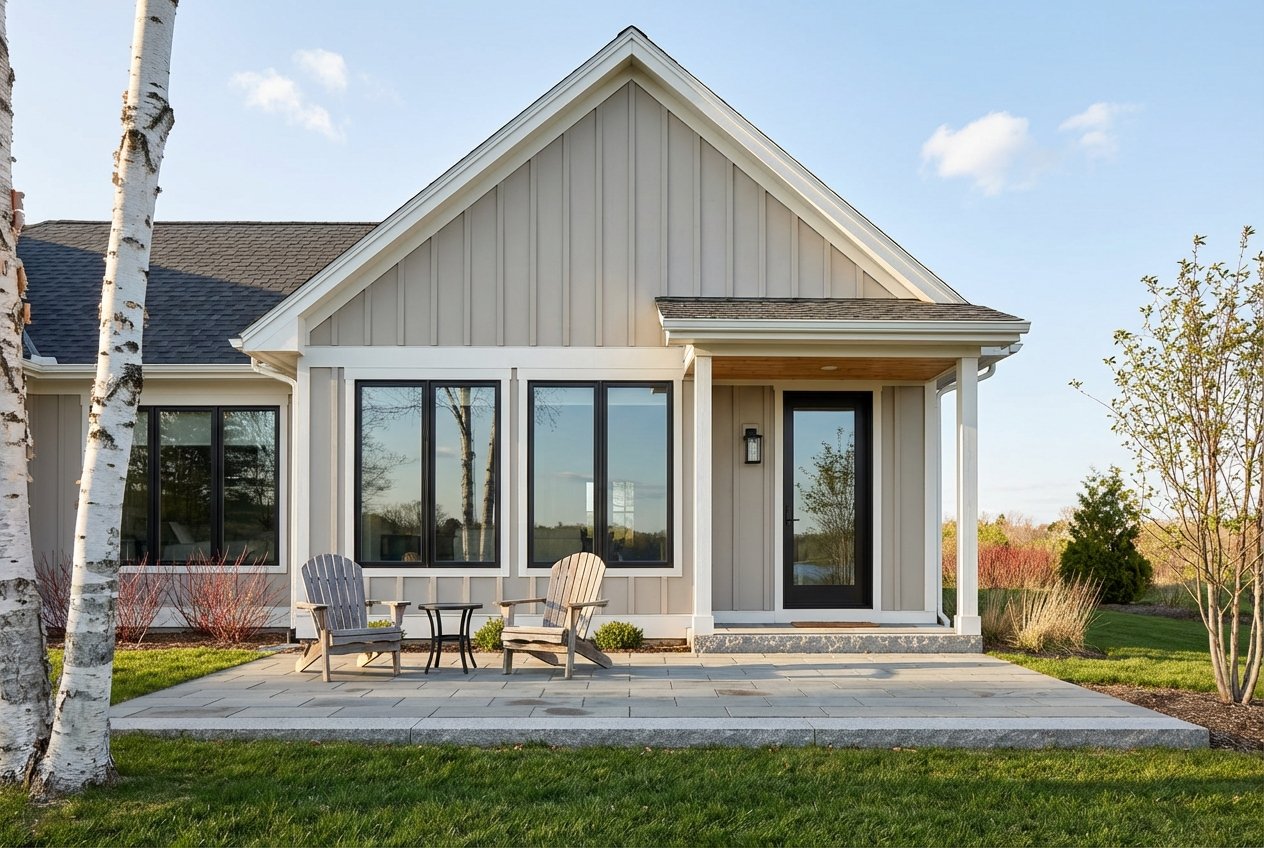
In Vermont, exterior first impressions count in every season. In warmer months, tidy landscaping, trimmed shrubs, and fresh touch-up paint signal care. In winter, keep walkways shoveled and sanded, ensure clear signage, and present a safe, well-lit entry. Small exterior fixes can raise buyer confidence before they step inside.
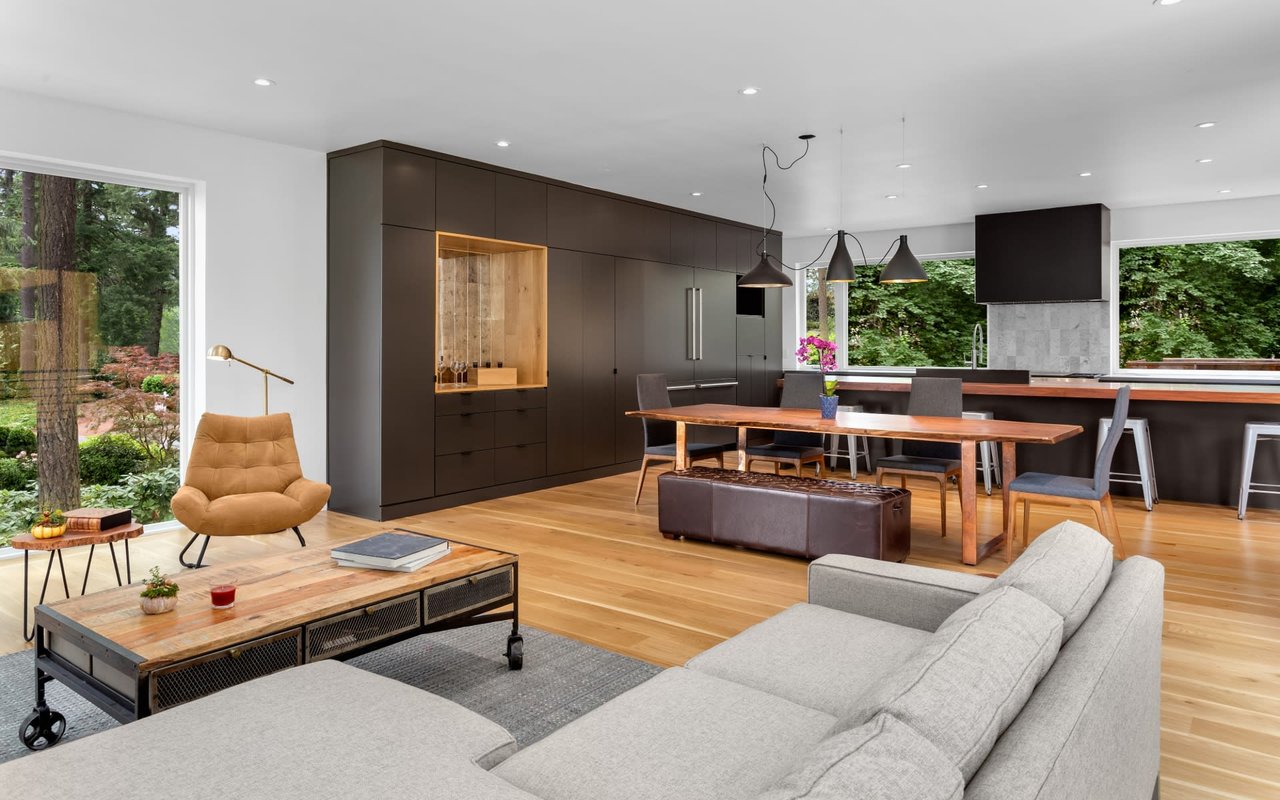
Choose improvements that buyers in your price band expect. Fresh neutral paint, updated lighting, clean flooring, and minor repairs generally offer better return than large remodels right before listing. Staging, whether physical or virtual, helps buyers visualize the space and can shorten time on market. Industry surveys show that buyers value clear, high-quality online presentation and layout understanding, which staging supports. See what buyers prioritize in the National Association of REALTORS® snapshot: How buyers search and what they value online.
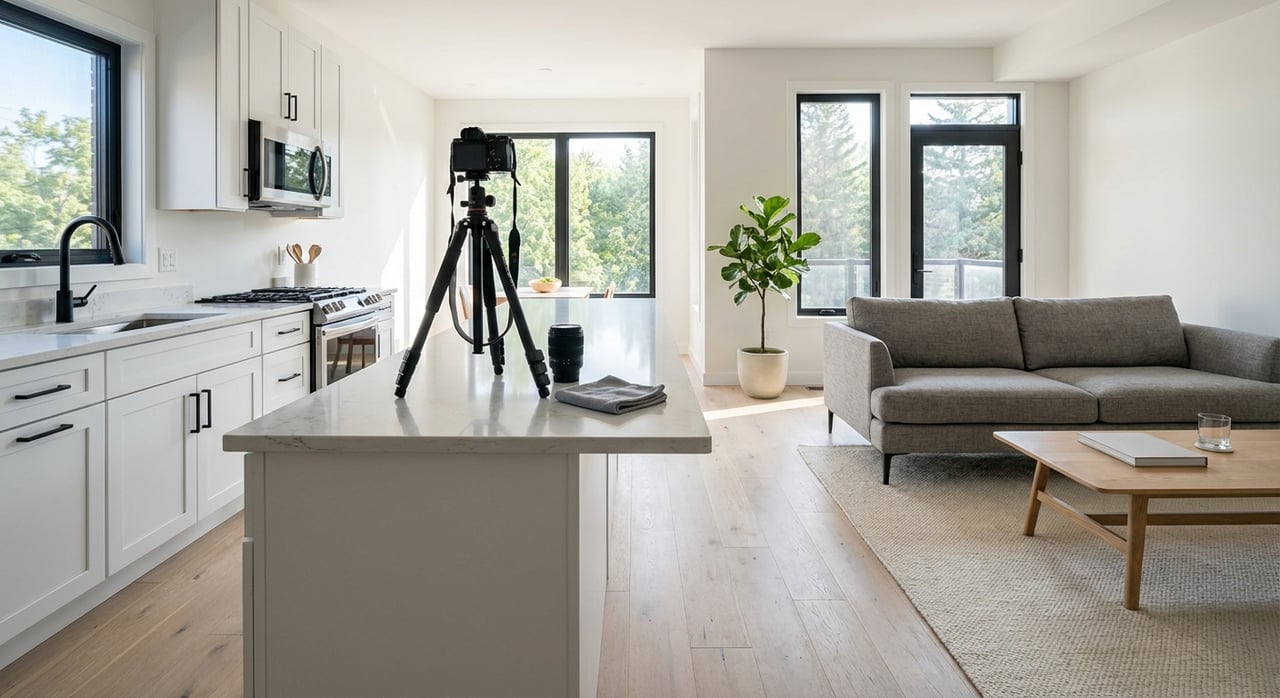
Almost every buyer starts online, and the first seconds on your listing determine whether they click for more. Your baseline should include professional interior and exterior photography, 20 or more well-composed images, an accurate floor plan, and a clear, benefits-focused description. NAR research highlights how visual clarity and layout understanding improve buyer engagement: Key buyer search behaviors.
Schedule photography when natural light is best, remove personal papers and medications, and store valuables. Warm up the home in winter for a welcoming feel. Capture a few neighborhood lifestyle images if relevant, such as nearby parks or access points, to help buyers understand location benefits.
Meet with a local agent to align on goals and timeline. Gather utility bills, surveys, permits, and recent receipts. Decide on any pre-listing inspection and prioritize repairs now. Book a photographer and, if needed, a stager. This planning window helps you avoid rushed choices later.
Complete agreed-upon repairs. Stage key rooms or plan virtual staging. Finalize photos, floor plan, tour, and listing copy. Choose a launch week that avoids major holidays. In Vermont, late spring and early summer often bring broad buyer traffic, but a well-priced, well-presented listing can perform in any season when expectations are set correctly.
Go live on the MLS and syndicate to major real estate portals. Run targeted social promotion if it fits your plan, and notify local brokers and interested buyers. The first seven days are critical, so watch early signals closely: saves, shares, showing requests, and feedback.
Evaluate activity daily. If showings are light or offers slow, revisit your CMA and the initial feedback. Consider a price adjustment within your pre-planned range, refresh select photos or the headline, or increase targeted promotion. Early course corrections protect momentum.
Expect typical due diligence, including inspections and appraisal. Sellers who completed a pre-listing inspection and addressed major items often move through this stage faster. Keep documents organized for quick responses.
Buyers search by map, zip, and price band. Be clear if your property is in St. Albans City or St. Albans Town, since median prices, inventory, and days on market differ. Your comps, pricing, and marketing plan should match your exact geography.
Homes with views or access to St. Albans Bay or Lake Champlain attract specific buyer groups. Highlight lot characteristics and views, and be prepared for added disclosures or permitting considerations. Tailor media to show the setting clearly, and use market-matched comps for water-influenced value.
Snow and ice change logistics. Clear driveways and paths, manage roof snow if needed, and keep interiors bright and warm. Your agent can time photos for the best daylight and help present the home’s comfort and efficiency in cold months.
You deserve a pricing and marketing plan that fits your St. Albans micro-market, your home, and your goals. Northern Vermont Realty Group brings town-level expertise across Franklin County and a polished digital marketing stack that showcases your home with professional photography, video walkthroughs, 3D tours, and a high-converting online presence. Our team supports valuation strategy, full-service listing prep, multimedia marketing, and responsive communication for both local and out-of-area buyers.
If you are getting ready to sell in St. Albans City or St. Albans Town, let’s build a plan that earns attention in week one and carries through to a smooth close. Schedule a conversation with David Graves to get started.
Stay up to date on the latest real estate trends.


Dig in to what makes the market tick.
Book your buyer consultation today!
Get assistance in determining current property value, crafting a competitive offer, writing and negotiating a contract, and much more. Let me guide you through your home-buying journey.