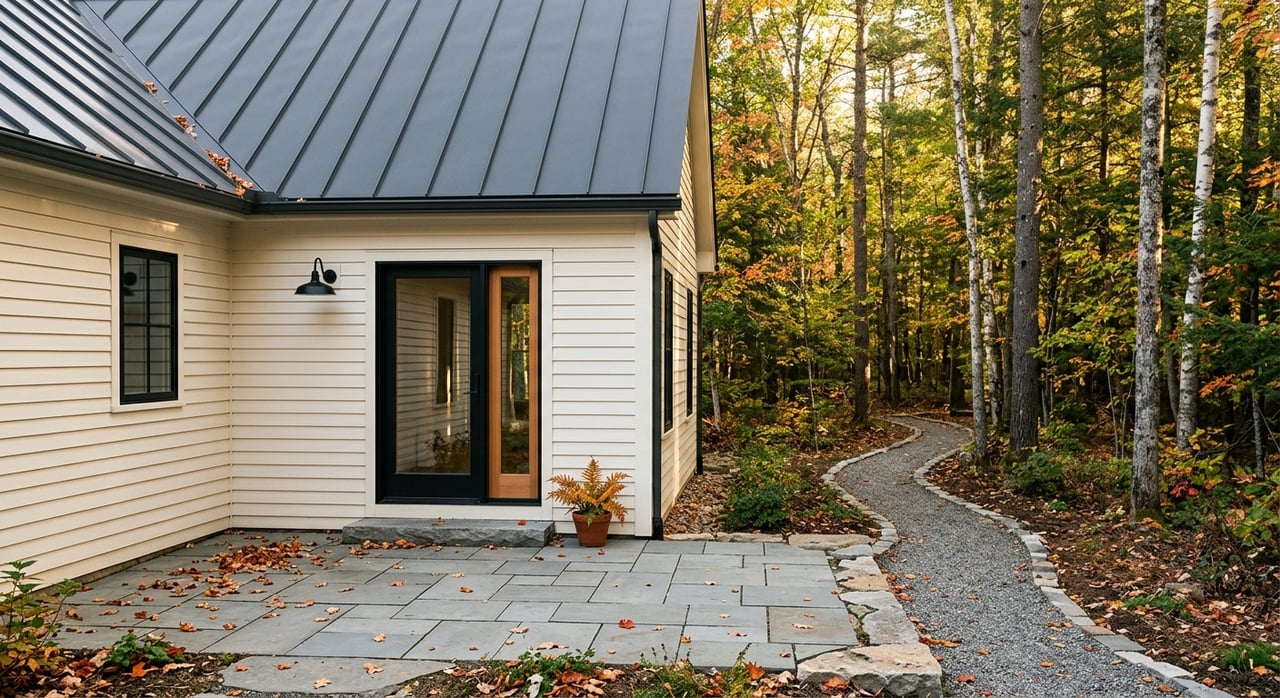
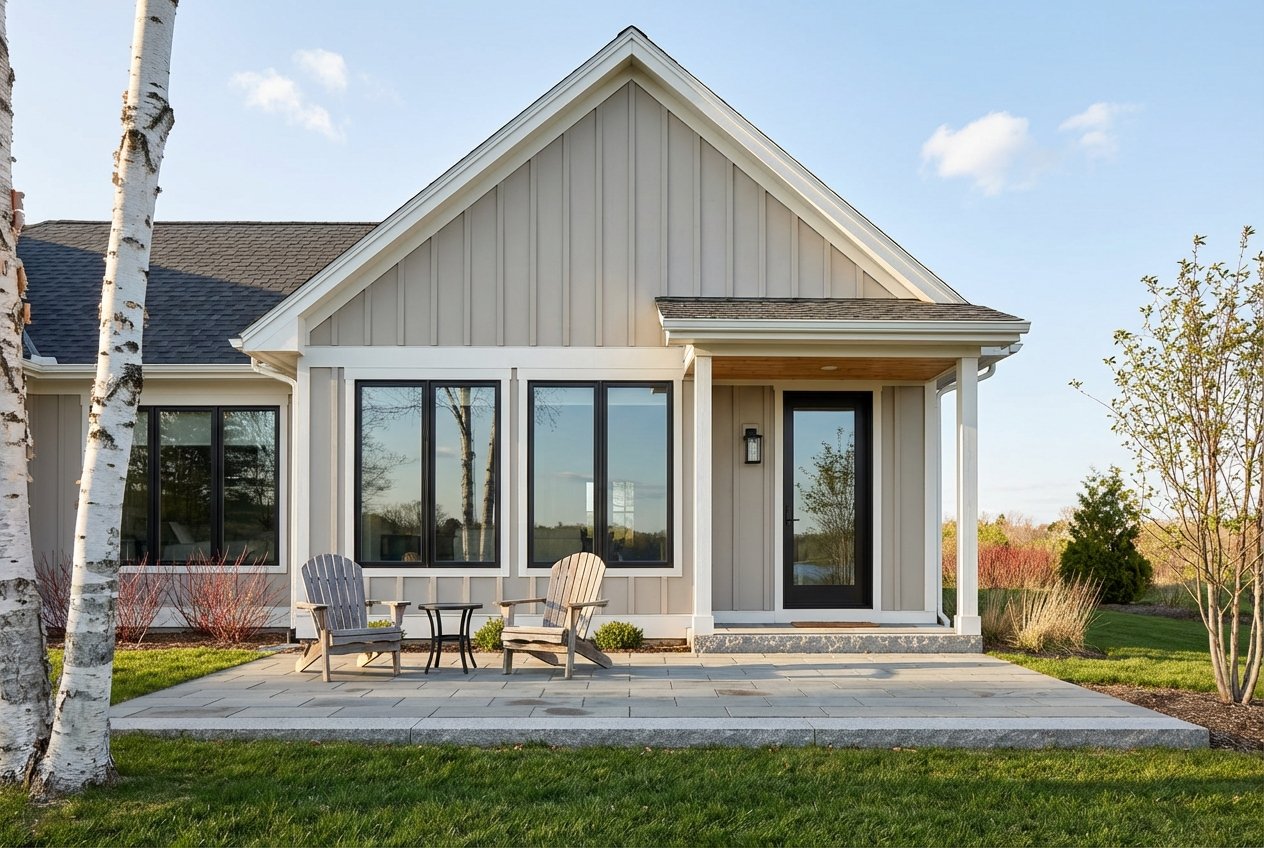
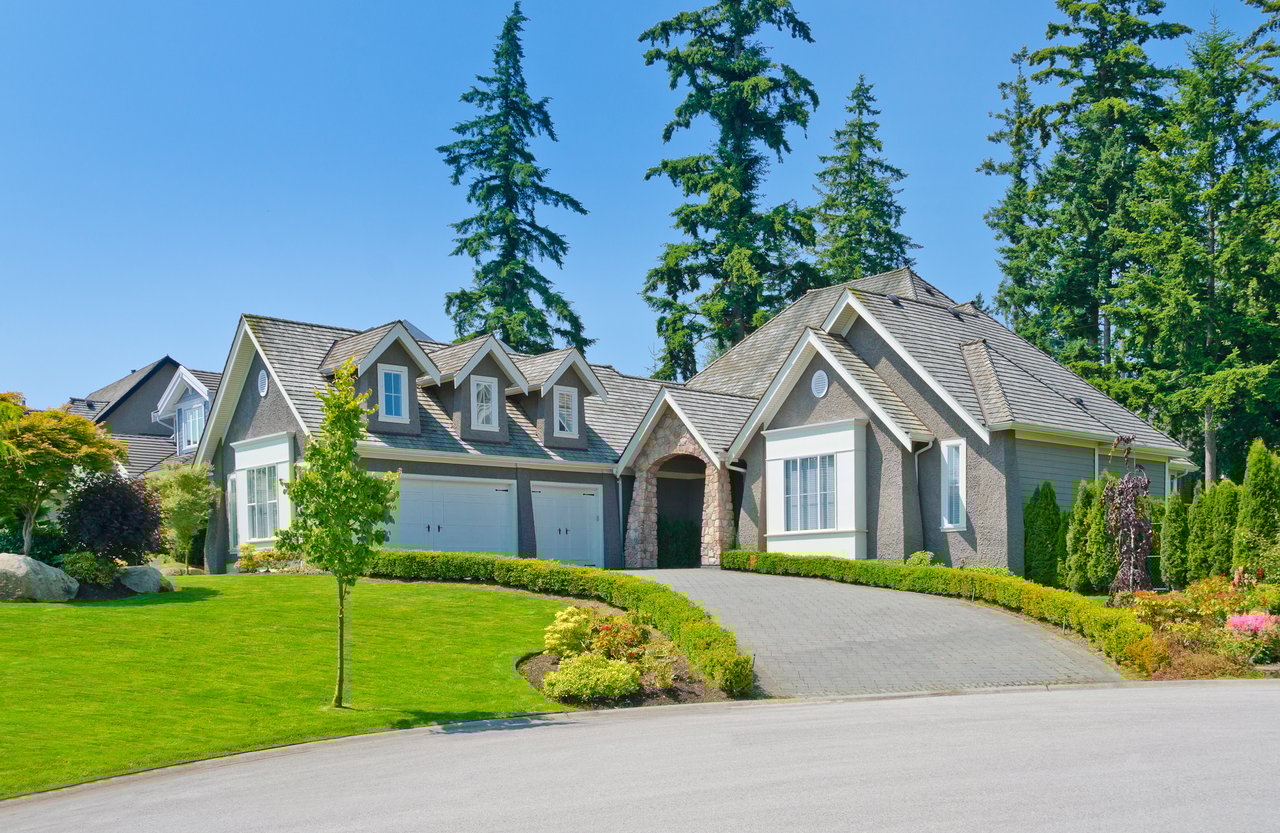
Picture stepping onto your deck with coffee in hand while Lake Champlain shimmers just beyond the pines. If you are thinking about a second home in North Hero, you probably want that quiet, easy pace without surprises. This guide gives you the on-the-ground details you need to buy with confidence, from shoreline rules and on-site systems to taxes and realistic upkeep. Let’s dive in.
Why North Hero works for retreats
North Hero sits in the Champlain Islands with a year-round population under 1,000, which keeps things peaceful and inventory limited. That small scale is part of the charm, but it also means the market is low volume and individual sales can swing monthly stats. You should use fresh, local comparables and expect pricing to reflect lake exposure, lot size, and condition more than a broad town median.
If you want a slower rhythm and true access to the water, North Hero checks the boxes. You will find lake views, quiet roads, and an active summer season, then a calmer fall and winter for recharge and snow-covered walks. For population and town context, review the North Hero profile on Census Reporter to see how small and unique this island market is compared to the metro area around it. Census Reporter’s North Hero profile is a helpful starting point.
What you will find on the market
You will see a mix of:
- Small lakefront cottages or “camps,” including some seasonal-use homes.
- Year-round single-family houses, from older farmhouses to updated cottages.
- Waterfront parcels and inland lots, sometimes narrow and sometimes with broad shoreline.
- Larger country properties with privacy and lake access nearby.
Most properties are individual homes rather than condos. Waterfront parcels vary a lot, so look closely at shoreline type, water depth, and orientation. Ask whether there are shared beaches, private docks, or access easements noted in the deed.
On-site systems to expect
- Water service: Parts of North Hero are served by the municipal water system. If a listing has town water, review the Consumer Confidence Report and ask about the town’s acceptance policy for private service lines. The town posts service details and contact info on the North Hero Water Board page.
- Wastewater: Many homes rely on private septic systems. The permitted wastewater capacity often sets the allowed bedroom count and can affect rental use. Confirm permit history with the town and the Vermont ANR. Start with the town’s zoning and wastewater guidance here: North Hero zoning and permits.
- Heating and energy: You will commonly see propane or oil furnaces, wood or pellet stoves, and more homes adding cold-climate heat pumps. Electric service providers vary by location, so confirm the utility and average bills during due diligence.
Waterfront reality check: rules and rights
Owning near the lake brings specific rules that protect water quality and shoreline stability. Vermont’s Shoreland Protection Act regulates most new development, redevelopment, clearing, and impervious surfaces within 250 feet of the lake’s mean water level. If you hope to open up views, add a patio, or adjust pathways near the shore, you may need a Shoreland Registration or Shoreland Permit and to follow best management practices. Read the state overview and connect early with the regional analyst through the Vermont DEC Shoreland program.
A few practical tips:
- Do not assume you can clear trees or widen a lake path without review. The protected area has numerical standards for slope, clearing, and impervious cover.
- Many docks and lifts are seasonal. Plan for removal, installation, and storage each year, and confirm any recorded rights in the deed.
- Title matters on the water. Ask your agent and closing attorney to check riparian rights, access easements, and any conservation or subdivision conditions. The town’s land records and lister cards can help trace past permits and restrictions. See the town’s permit guidance and contacts at North Hero zoning and permits.
Lake health and seasonal use
Lake Champlain is a well-loved, actively monitored waterbody. You should understand two seasonal topics that can affect use:
- Aquatic invasive species: The lake has documented invasive species and ongoing monitoring. Boaters are encouraged to “clean, drain, dry” to prevent spread. The Lake Champlain Committee’s update on a recent invasive detection gives useful context on basin-wide stewardship.
- Harmful algal blooms: Cyanobacterial blooms can appear during warm months in some areas and may trigger temporary advisories or beach closures. Check local notices in season and plan flexible swim and boating spots on days when water quality advisories are posted.
Overall, most homeowners enjoy a full summer of swimming, paddling, and boating by following local guidance and staying informed.
Ownership costs and taxes to plan for
Beyond your purchase price, budget for yearly costs that are specific to island and waterfront ownership.
Property taxes and CLA
North Hero’s 2025–26 Property Tax Worksheet lists a Homestead rate of 2.3726 and a Non-Homestead rate of 2.3616, both per $100 of assessed value. The town’s Common Level of Appraisal (CLA) is 62.62% for 2025, which helps you understand how assessed values compare to market values. You can review the current worksheet directly in the town’s document center: North Hero 2025–26 tax worksheet.
Simple illustrations based on the worksheet:
- If your assessed value is $500,000 and you claim it as a homestead, estimated town and education tax would be about $11,863. That is $500,000 divided by 100, multiplied by 2.3726.
- If you want a rough sense of assessment from a market price using the CLA, multiply the purchase price by 0.6262, then apply the rate. For example, $500,000 times 0.6262 is about $313,100. Then $313,100 divided by 100 times 2.3726 is roughly $7,424. Actual assessments come from the listers and the grand list, so treat this as a teaching example only. For more tax info, see the town’s Tax Data page.
Municipal water charges
If the home is on town water, plan for either seasonal or annual service fees and usage charges. The 2025–26 worksheet provides the current fee structure, and the Water Board page shares payment schedules and contacts. Review both the tax worksheet and the Water Board page as part of budgeting.
Short-term rental taxes
If you plan to rent the home as a vacation property, remember that state rooms and meals tax applies, and Vermont added a 3% short-term rental impact surcharge in 2024. This surcharge is in addition to the rooms and meals tax and is collected under the same framework. Some municipalities also apply a 1% local option tax. Review the law as enacted in Vermont Act 183 and make sure you register and remit properly. Some booking platforms collect taxes, but owners remain responsible for compliance.
Insurance and risk management
Waterfront and low-lying parcels can sit within FEMA flood hazard areas, and lenders may require flood insurance. Premiums can also rise for seasonal occupancy or rental use. Request quotes early in due diligence and ask insurers about both NFIP and private options. Budget for:
- Dock installation and removal each year, plus storage.
- Septic pumping on a regular cycle.
- Winter heating fuel or electricity, depending on your system.
- Plowing for a private driveway and seasonal shoreline vegetation care that follows best practices.
Due diligence roadmap
Use this checklist to protect your investment and avoid surprises.
Zoning and permits
- Confirm the zoning district and any shoreland overlay with the Zoning Administrator. Ask for the property’s permit history and whether it is in compliance.
- If you plan to add bedrooms, finish space, or rent short term, verify what is allowed and whether conditional use approval is needed. Start here: North Hero zoning and permits.
Water and wastewater
- Verify if the home is on municipal water or a private well. If municipal, ask to see the Consumer Confidence Report and whether the service line is on the town’s accepted list. The town posts water system contacts here: Water Board page.
- Order a licensed septic inspection. Confirm the permitted bedroom count and review any recorded wastewater permits with the town.
Shoreland and site planning
- Check whether the lot lies within the 250-foot Protected Shoreland Area. If so, consult the state program before clearing, adding patios, or regrading. Read the requirements and best practices at the Vermont DEC Shoreland program.
Title and shoreline rights
- Have your agent and attorney review the deed for riparian rights, any shared beach agreements, dock licenses, easements, and conservation or subdivision restrictions. Confirm that what you see on site matches what is recorded.
Flood risk and insurance
- Pull FEMA flood maps, ask about local flood history, and get insurance quotes early. If an elevation certificate exists, request it. Understand lender requirements upfront.
Utilities and connectivity
- Confirm the electric utility serving the property, average seasonal usage, and which provider handles internet. If you plan to work remotely, test speeds or get written confirmation from the ISP.
Short-term rental feasibility
- Register for state taxes before hosting and account for both rooms and meals tax and the 3% surcharge under Act 183. Check local zoning for lodging use and occupancy rules.
- Ask your agent to model net revenue after taxes, insurance, cleaning, and utilities, with seasonal occupancy assumptions.
How a local agent adds value
A North Hero retreat is a lifestyle choice and a technical purchase. The right agent should:
- Pull island-specific comparables and explain how shoreline, lot shape, and seasonal listing patterns affect value.
- Coordinate septic, well, and building inspections with local contractors who know island systems.
- Obtain zoning files, water service records, and confirm wastewater permits with the town.
- Pre-screen properties for flood risk and realistic renovation options under the Shoreland Protection Act.
- Build a clear budget that includes taxes, water fees, insurance, dock services, and winter maintenance.
If you want a calm, well-managed buying process tailored to the Champlain Islands, connect with a local team that pairs hands-on service with modern tools. Ready to explore North Hero retreats with a trusted guide by your side? Schedule a consultation with David Graves.
FAQs
When is the best time to buy in North Hero?
- Inventory often peaks from late spring through summer, but the small market means good homes can appear anytime. Focus on fit and due diligence rather than timing the month.
Are most North Hero homes on municipal water?
- Only some are. Parts of town have municipal water, while many homes use private wells. Confirm service and review the town’s Water Board information before you offer.
What does Vermont’s shoreland law mean for my plans?
- Within 250 feet of the lake, new clearing, patios, or regrading may need a Shoreland Registration or Permit and best practices. Consult the DEC Shoreland program early.
How do property taxes work in North Hero?
- Taxes use published homestead and non-homestead rates per $100 of assessed value. The current worksheet and CLA are on the town site and help you estimate obligations.
What extra costs should I expect for a lake home?
- Plan for dock installation and storage, septic pumping, fuel or power for heating, driveway plowing, and shoreline vegetation care that follows approved practices.
What taxes apply if I use the home as a short-term rental?
- State rooms and meals tax applies, and Vermont added a 3% short-term rental surcharge in 2024. Some towns add a 1% local option tax. Register and remit as required.