What Grand Isle VT Living Looks Like in Every Season
May 28, 2026
May 28, 2026
What does it really feel like to live in Grand Isle all year, not just visit on a perfect summer weekend? If you are thinking about buying, selling, or settling into island life full-time, that question matters. Grand Isle offers changing seasons, a strong connection to Lake Champlain, and a community rhythm that shifts throughout the year. Let’s dive in.
Grand Isle sits in the center of the Champlain Islands and is bordered on three sides by water. The town describes itself as the connection for the year-round ferry to Plattsburgh, and Burlington is about a 30-minute drive away. That mix gives you island scenery with practical regional access.
The area also experiences real seasonal contrast. Using nearby Burlington International Airport as a climate proxy, NOAA normals for 1991 to 2020 show a January mean temperature of 20.9°F, a July mean of 72.4°F, annual precipitation of 37.53 inches, and annual snowfall of 87.5 inches. In simple terms, you can expect snowy winters, warm summers, and a lifestyle that changes with the calendar.
The town plan says Grand Isle has a core year-round population that nearly doubles in summer as seasonal residents and visitors arrive. That seasonal shift is part of daily life here. It affects everything from traffic patterns to community energy, and it is one reason Grand Isle feels different in January than it does in July.
Winter is often the calmest season in Grand Isle. The roads are quieter, the pace slows down, and lake life gives way to a more tucked-in routine. For many full-time residents, this is when the town feels most peaceful.
That does not mean winter is inactive. Vermont Tourism highlights snowshoeing and skiing at Snow Farm, the Great Ice! Festival in nearby North Hero, horseback trail rides at Breakaway Farm in Grand Isle, and off-season comfort food at DonnaSue Bakes and Cooks in Grand Isle. With annual snowfall near 87.5 inches based on the NOAA proxy, winter living here means being ready for snow while still having ways to enjoy the season.
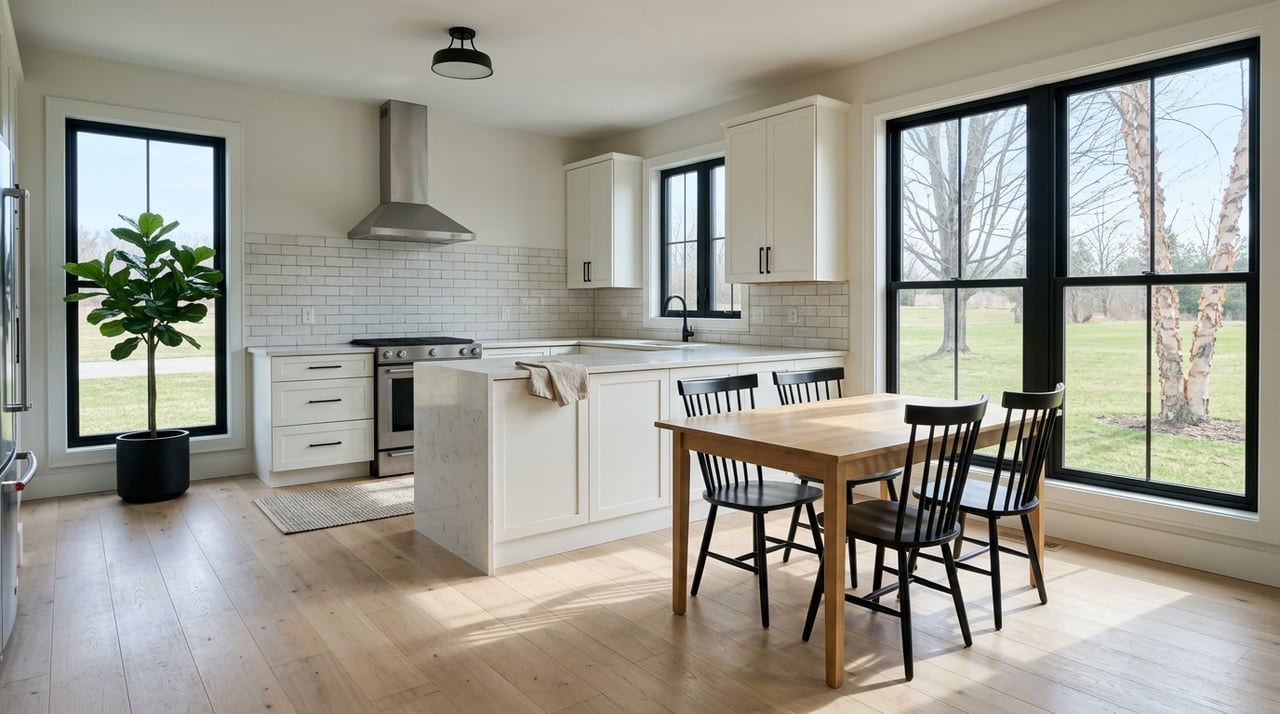
If you are considering a year-round move, winter is also the season that helps you evaluate what you really need from a property. Things like access, heating comfort, and ease of day-to-day living tend to matter more when the weather turns cold. For many buyers, that is a key part of deciding whether Grand Isle is a seasonal getaway or a full-time fit.
Spring in Grand Isle feels like a reset. The snow starts to ease, the pace begins to pick up, and the islands move into a shoulder season that bridges winter and summer. It can be a great time to see how the area functions between peak tourism months.
Vermont Tourism describes spring in the Champlain Islands with maple sap flowing, warm days for spring skiing, and the return of biking and paddling. It also points to live music nights at Two Heroes Brewery and maple-season activity at Fox Hill in the broader island area. The result is a season that feels less crowded than summer but more active than winter.
For buyers and sellers, spring often reveals the practical side of Grand Isle living. You can get a better feel for road access, waterfront conditions, and how a home transitions out of winter. That can be especially helpful if you want a property that works well in every season, not just during the warmer months.
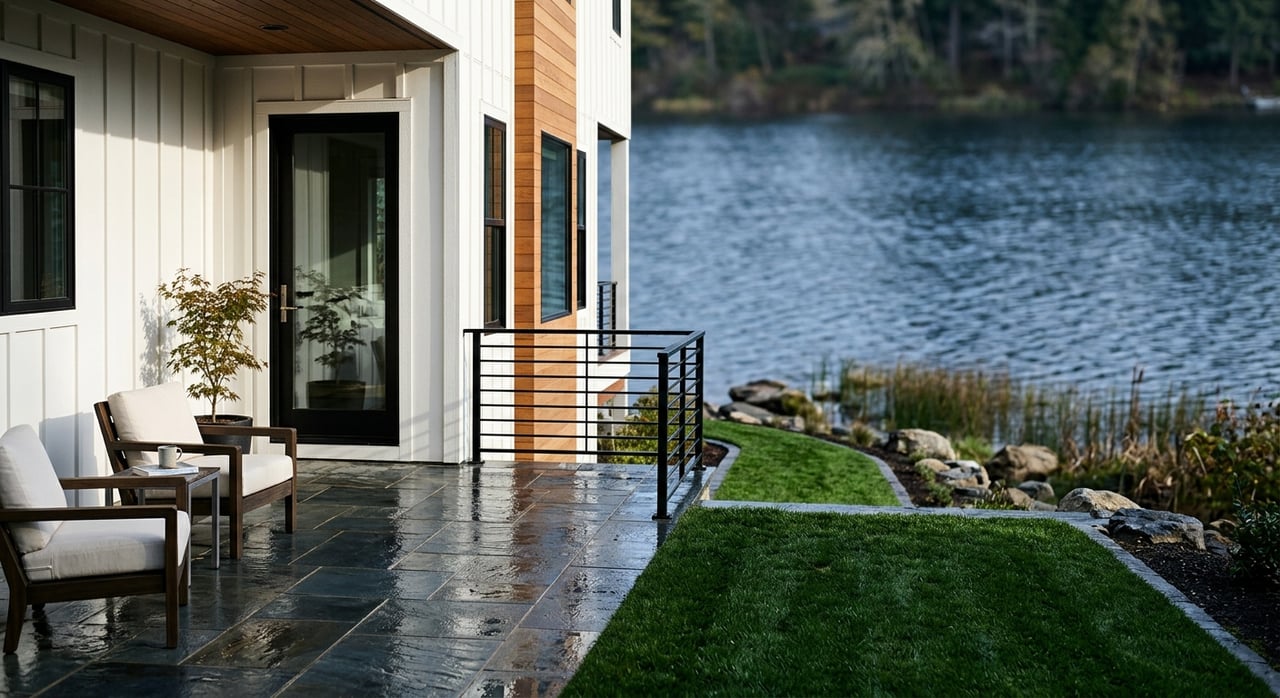
Summer is when Grand Isle is most visibly tied to Lake Champlain. The population rises, outdoor activity expands, and the island lifestyle becomes front and center. If you picture biking, paddling, swimming, and long days outside, this is the season that brings that image to life.
Vermont Tourism notes that cycling is part of the local culture in the Champlain Islands, with flat roads, lake views, farms, and orchards shaping the experience. Its summer guide also features Grand Isle-specific examples like Pomykala Farm, along with regional activities such as camping on Knight and Woods Island state parks, birdwatching, paddling, and swimming. Summer here feels active, scenic, and closely connected to the water.
This is also the season when Grand Isle’s blend of full-time and part-time living is easiest to see. Seasonal homes are in use, visitors arrive, and community energy shifts upward. If you are shopping for a home, summer can help you understand the lifestyle appeal of the area, especially if you are drawn to lakefront or island properties.
Fall brings another shift in tempo. The weather cools, foliage becomes part of the backdrop, and local harvest traditions take on a bigger role. For many people, autumn is one of the most appealing times to experience Grand Isle.
Vermont Tourism notes that the Champlain Islands are prime apple country and highlights the Champlain Islands Farmers Market, held Wednesdays in South Hero and Saturdays in Grand Isle through late October, along with the annual Harvest Fest. Orchard visits and vineyard events across the islands add to that seasonal feel. Fall in Grand Isle is not just scenic. It is also social, local, and rooted in recurring annual events.
For homeowners, fall can be a helpful season for seeing how a property sits in the landscape after the peak of summer. For buyers, it offers a balanced look at island life when the busiest season has passed but community activity is still easy to find.
One common assumption about island communities is that they go quiet once summer ends. In Grand Isle, the research suggests a more complete picture. While some attractions are seasonal, there is still year-round civic and community structure in place.
The town website lists active local bodies such as the selectboard, planning commission, development review board, library commission, and recreation committee. The town office keeps weekday hours year-round, and the recreation committee meets monthly, moving to the Donaldson Park Pavilion in the summer while planning programs for town and county residents. The Grand Isle Library is also listed as a year-round institution.
That matters if you are thinking beyond vacation use. A town with year-round offices, regular committees, and ongoing recreation planning tends to offer more continuity for full-time residents. It helps support the idea that Grand Isle is not just a summer destination, but a place where people live, work, and stay engaged throughout the year.
Grand Isle’s housing stock reflects its dual identity. It supports both year-round living and part-time ownership, which is important if you are trying to match your real estate goals with the local market. Whether you want a primary home or a second property, understanding that mix can help you make a better decision.
In the 2025 to 2033 town plan, Grand Isle says American Community Survey data showed 19% of housing units were seasonally occupied in 2022, while the grand list identified 7% of parcels as seasonal. The same plan also says many homes suitable for year-round occupancy are being used as second homes. That tells you seasonality is built into the market, but it does not define it completely.
The town plan also notes a range of housing types, including single-unit homes, duplexes, mobile homes, accessory dwellings, smaller lot sizes, and some multi-unit options in village areas. At the county level, Census QuickFacts show 5,380 housing units, an 89.9% owner-occupied rate, and a median owner-occupied home value of $394,100. Taken together, those figures point to a market where ownership plays a major role.
If you are considering Grand Isle as a full-time home, your priorities may look a little different from those of a seasonal buyer. The lifestyle can be rewarding, but it works best when your property matches your everyday needs across all four seasons. That is where local guidance can make a big difference.
A few practical questions to keep in mind include:
These are not just buying questions. They are lifestyle questions. In a place like Grand Isle, the right home is often the one that fits both the season you love most and the months in between.
If you are selling a home in Grand Isle, it helps to present the property within the context of year-round island living. Buyers may be drawn in by summer photos and lake appeal, but many also want to understand how the home works in spring, fall, and winter. A strong listing should help them picture the full calendar, not just one season.
That is especially important in a market where both full-time and seasonal buyers may be active. Some shoppers will focus on comfort, access, and everyday livability. Others will focus on seasonal enjoyment, outdoor recreation, and a second-home lifestyle.
Clear marketing, accurate positioning, and local insight can help your property speak to the right audience. In Grand Isle, that often means showing both the beauty of the setting and the practicality of living there throughout the year.
Grand Isle is not a one-season place. It is a town with snowy winters, active summers, colorful falls, and a spring reset in between, all supported by year-round civic structure and a housing stock that serves both full-time and seasonal living. If you are thinking about buying or selling here, working with a local team who understands those rhythms can help you move forward with more confidence. When you are ready to talk through your goals in Grand Isle or anywhere in northern Vermont, connect with David Graves.
Stay up to date on the latest real estate trends.
Get assistance in determining current property value, crafting a competitive offer, writing and negotiating a contract, and much more. Let me guide you through your home-buying journey.