Finding Your Ideal Country Home In Georgia Vermont
July 23, 2026
July 23, 2026
Looking for a country home in Georgia, Vermont can feel exciting and a little tricky at the same time. You may want open land, quiet roads, and room to breathe, but you also need to know what daily life really looks like before you buy. The good news is that Georgia offers a rural setting with solid regional access, and understanding the town’s layout can help you focus your search. Let’s dive in.
Georgia covers 47.8 square miles and stretches from the Lake Champlain shoreline across Georgia Plains and open farmland to the foothills of the Green Mountains. The town plan makes it clear that Georgia’s rural landscape is meant to stay defined by open land, agricultural fields, and forests. If you picture Vermont country living as space, scenery, and a slower pace, Georgia fits that image well.
It is also a relatively small town by population. Georgia grew from 4,515 residents in 2010 to 4,845 in 2020, with an estimated 4,850 in 2022. That smaller scale helps explain why many buyers are drawn here when they want a home that feels settled and less suburban.
Another part of Georgia’s appeal is its rooted character. The town plan cites 74 structures on the State Register of Historic Places, 8 on the National Register, and two historic districts. That history gives many areas a long-established feel rather than a newly built-out one.
If you are searching for a classic country property, Georgia’s housing mix is worth a close look. The town’s housing stock is focused on single-family homes used year-round, and owner occupancy is very high at 96.6% in 2022. That tells you this is mostly a town of full-time homeowners rather than a heavily rental-based market.
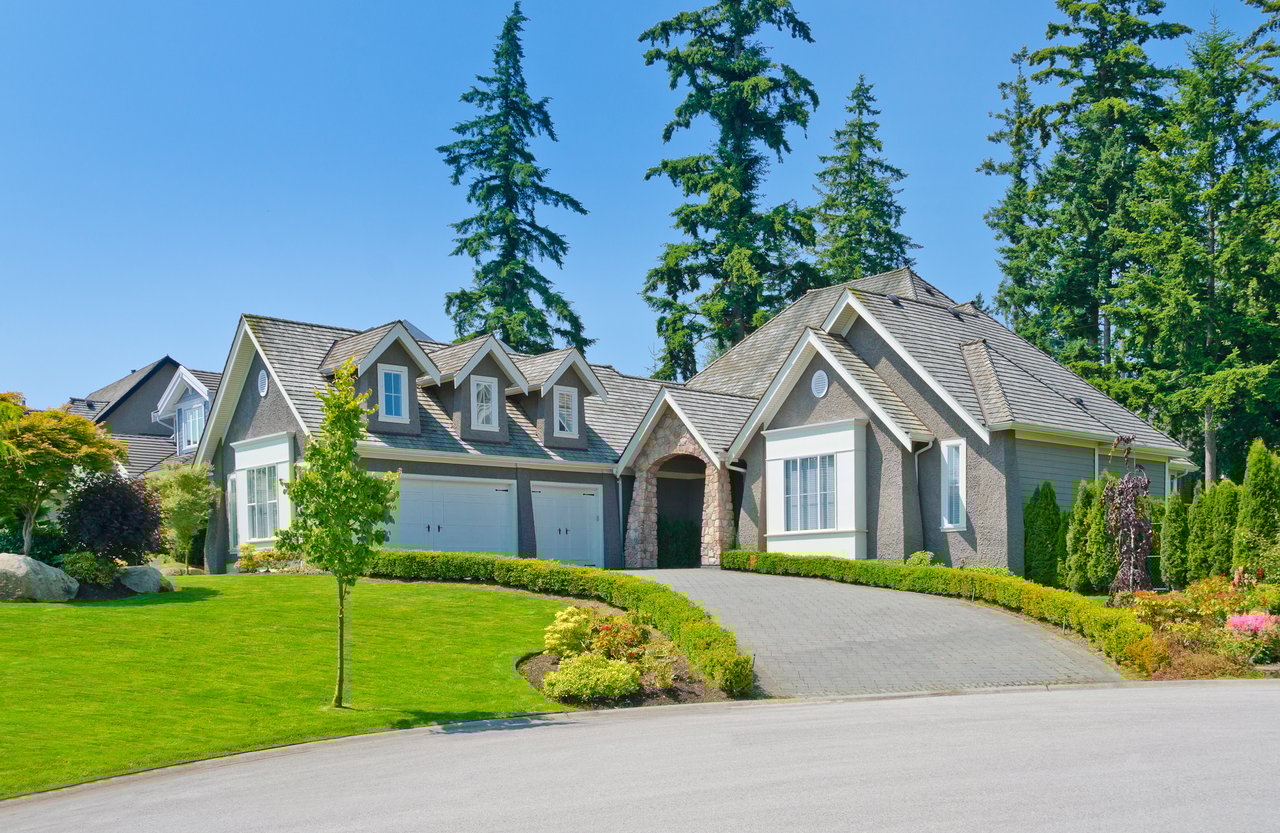
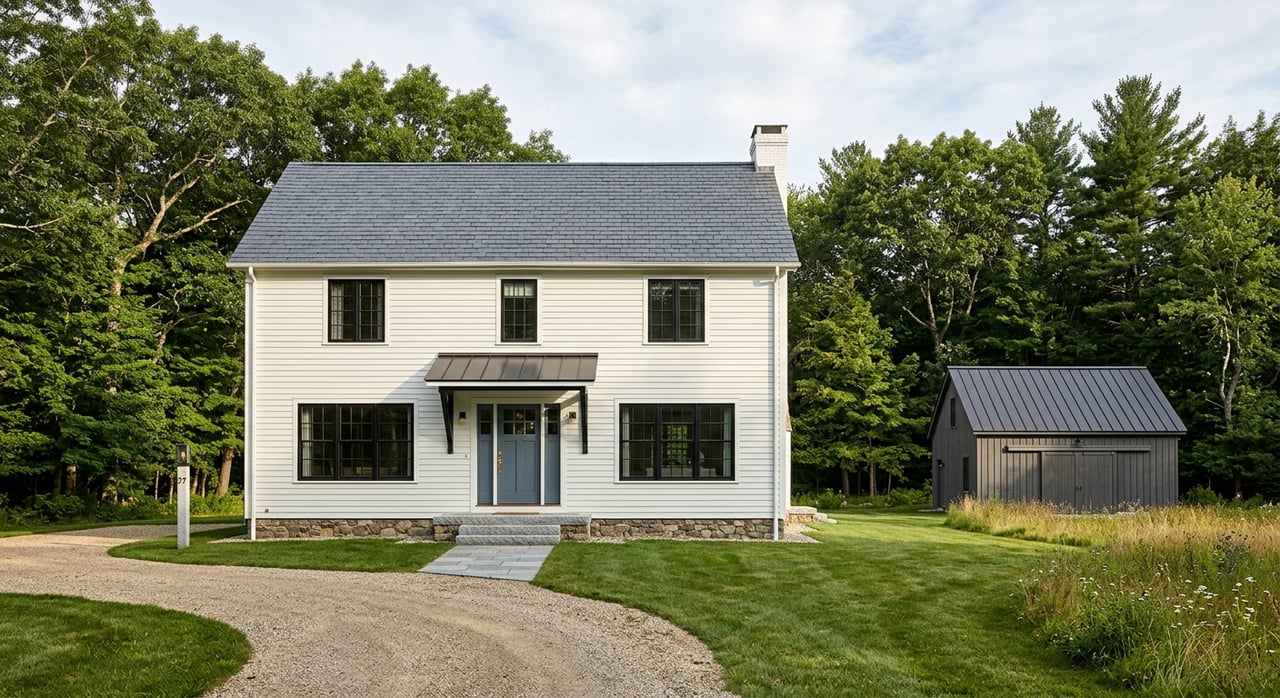
The 2024 housing table lists 1,632 residential units, along with 83 manufactured homes, 73 condos, and 118 seasonal homes. In practical terms, that means detached homes are the standard choice, while condos and other lower-maintenance options exist in smaller numbers. If you are hoping for a farmhouse, a home with acreage, or a lower-density setting, Georgia is the kind of market where those searches make sense.
The town’s land-use guidance also supports that pattern. Agriculture remains the predominant use in Agricultural and Rural Residential areas, and some districts call for low-density development or large lots. While every parcel is different, the overall planning approach reinforces Georgia’s country-home identity.
Georgia is not one-size-fits-all, even though it keeps a rural feel overall. The town plan points to a pattern that protects rural areas while steering more concentrated growth toward Georgia Center and South Village. That can help you narrow your search based on the kind of setting you want.
Georgia Center functions as the municipal core. This is where you will find town offices, the town garage, fire and rescue, the elementary school, the historical society museum, and historic cemeteries. If you want a country setting with some civic services nearby, this area may be worth a closer look.
Georgia Plains remains primarily residential with only limited small-scale non-residential use. For many buyers, this is the kind of area that best matches the idea of quieter country living. It can be a good place to explore if your priorities include lower density and a more residential feel.
South Village is the more commercial and mixed-use corridor near the highway interchange. Access is a major advantage here, especially if you commute or travel often. If you want to stay connected to regional routes while still living in Georgia, this part of town may offer the balance you need.
One of the biggest questions buyers ask is simple: what is everyday living actually like? Georgia has a compact but meaningful set of local services for a rural community. In addition to the municipal services in Georgia Center, the town also has a public library on Route 7, a food shelf, active churches, and community childcare resources.
For broader errands and shopping, many residents look to nearby St. Albans. The city serves as the main regional service center, and its downtown is described by the local downtown program as a place where commerce, culture, and community life thrive. That means Georgia can offer you open space at home without leaving you cut off from day-to-day needs.
If school planning is part of your move, Georgia has a straightforward local structure. Georgia Elementary and Middle School serves Pre-K through 8th grade, with reported enrollment of 605 in 2023 through 2024. The town plan says the current facility should be adequate for the foreseeable future.
For grades 9 through 12, Georgia uses school choice. The town plan notes that many students attend nearby schools including BFA St. Albans, South Burlington High School, Colchester High School, Essex High School, Rice Memorial School, and BFA Fairfax. If this applies to your household, it is smart to confirm current options and transportation details early in your home search.
Childcare is another important practical issue. Georgia reports five registered childcare homes, three childcare centers, and one after-school program with total capacity for 150 children. The town also notes that this is not enough to meet demand from Georgia and nearby Franklin County towns, so planning ahead matters.
In a rural market, utilities deserve extra attention. Georgia does not own or operate municipal water or sewage treatment facilities, and most homes rely on private wells and septic systems. The South Georgia Fire District water system serves about 175 users, but most buyers should expect private systems to be part of the conversation.
That makes well, septic, and soil conditions a key part of your due diligence. In Georgia, these are not minor details to review at the end. They are central to understanding how a property functions and what ongoing ownership may look like.
If you work from home or depend on reliable connectivity, it is smart to ask detailed questions before making an offer. The town reports cable internet service, some fiber, and satellite service, and many areas appear to have at least 100 Mbps / 25 Mbps service. At the same time, cellular coverage remains inconsistent in parts of town.
There is also reason to watch future improvements. Northwest Fiberworx received a $20 million grant in 2024 to expand service in the region, including Georgia. Even so, service can vary by location, so property-specific confirmation is important.
Georgia works well for many buyers who want country living without giving up regional access. The town plan says many residents commute to Burlington, and South Village sits along the Route 7, Route 104A, and I-89 corridor. That makes Georgia a realistic option if you want space at home and connections to larger job or service centers.
You should also keep expectations realistic. The same town plan notes that Route 7 congestion can be a problem in South Village. So while access is strong, your drive may not always be seamless.
Transit options are limited but useful for some schedules. Green Mountain Transit offers weekday service through the Georgia Park & Ride on the #96 Franklin County Commuter, and the #115 Alburgh-Georgia Commuter also serves Georgia and nearby destinations. For rail travel, the closest passenger service is Amtrak’s Vermonter in St. Albans.
Georgia is a strong match if you want open space, a rural feel, and a mostly owner-occupied town with traditional single-family housing. It can also make sense if you want direct access to St. Albans and Burlington while living outside a denser setting. For many buyers, that combination is exactly the appeal.
It may be a less natural fit if your top priorities are dense walkability, a village-style retail core right outside your door, or full municipal utilities. Georgia’s planning goals show that the town is intentionally preserving rural character while focusing denser growth in specific areas. That is helpful if you are looking for a country home on purpose, not by accident.
Buying a country property here often comes down to matching the home to your real day-to-day needs. That means balancing land, privacy, access, utilities, internet service, and nearby conveniences. When you understand those moving parts, you can search with much more confidence.
If you are thinking about buying in Georgia, working with a local team can help you sort through the details that matter most from one property to the next. For guidance tailored to your goals in northern Vermont, reach out to David Graves.
Stay up to date on the latest real estate trends.
Get assistance in determining current property value, crafting a competitive offer, writing and negotiating a contract, and much more. Let me guide you through your home-buying journey.